

We began our visit to the Normandy coastline by a visit to the town of Saint Mallow on our way to the Abbey of Saint Michelle. We happened upon what we thought was a market, but it was more like a block party garage sale. Aiden lucked out and got some Lego mini figures. The rest of us enjoyed checking out the unusual merchandise and walking around an interesting old city. It was quite a grey and chilly day, so we did not get the expected views. We did enjoy great coffee and a game of “Spot It”, much more challenging than I would have guessed.
Our visit our visit to Mont Saint Michel Abbey was lovely. The Abbey was originally built by the Benedictines, having many additions over the centuries. It features both Romanesque and Gothic architectural styles. The Abbey is built on a peninsula traditionally it was inaccessible at high tide; you can now access it by a long road bridge built above the level of the tide. We took a bus over access bridge as we did not organize ahead of time to book the mandatory tour guide to walk over across the sand (risk of quicksand). The Abbey reminded us of the Babar stories we loved when the kids were growing up. It also reminded Aiden of Helms Deep from Lord of the Rings. Below the Abbey is a small village, with many tourist stores. We climbed steep walls to get fantastic views of the surrounding area. The Abbey itself was like a maze. We all enjoyed the Gothic architecture, the amazing views, and the huge striking fireplaces. Learning a bit about its history was fascinating. The lovely gelato we had despite the cold weather was great, thanks for the encouragement Sophie!


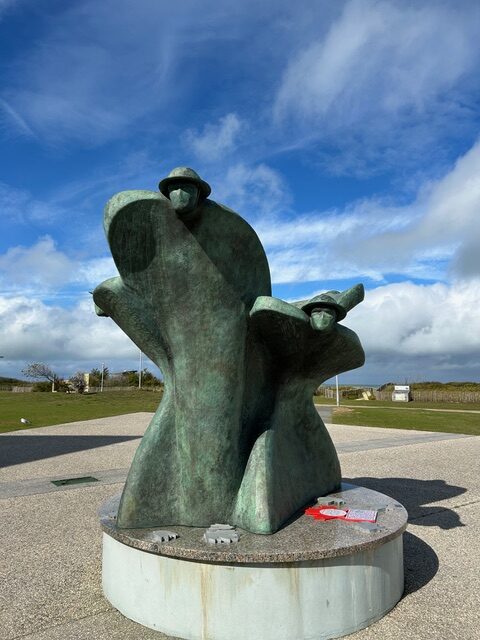
Our visit to the Juno Beach Memorial Centre increased our respect for the courage of the Canadian troops. We recognize the important role that Canada and Canada’s military played in WWII and D-Day. Some striking things that we came to understand; After WW I Canada had a very small army, the loss of soldiers in the first WWI and devastation of the Great Depression contributed to this. When Canada joined the war, the army, Airforce, and Navy had to be built up, amazingly, in a very short amount of time and in a reasonable military was built. Given the German bombing that was happening in the British airspace Canada served an important role in training the allied Airforce. Over 100 training bases were built across the country, Alastair reminded us that Moose Jaw was a huge Air Force training base in WW II. There was some special acknowledgement for the role indigenous soldiers played in the war and the racism they experienced, including NOT receiving any veterans’ benefits for many years. Aiden and Sophie enjoyed the kid’s activity, searching the museum to find answers to questions. They surprised the young Canadian staff member when they could answer all of her questions about why the poppy is an important symbol of remembrance, Aiden responded to her surprise saying we learn all about it every year in school. Outside the museum, pillars of thousands of small plaques honoured different members of the military, including our friends the Frangou’s great grandfather. Our walk on Juno Beach was very meaningful and Sophie found a lovely scallop shell to help remember it.


After school for a few hours, we started with the Overlord Museum. This museum outlined the entire back planning for D-day and the Allies work to win the war. The museum has numerous different dioramas and many army vehicles to help you truly understand the extent of the planning and the devastation of the war. The amount of reading was a bit overwhelming for everyone, particularly for the kids. It did provide amazing history, including some very interesting tactics that have been used by the allies. Britain made a bunch of inflatable tanks and dropped decoys to suggest to the Germans that they were going to launch their counterattack from different parts of England and Holland.
We also visited Normandy Victory Museum. It outlined what happened in France in the hundred days following D-Day, making it very clear how long the war continued, with many casualties and many lost lives. This museum also had numerous dioramas models and artefacts from the time. It showed us something about civilian life, which was interesting. Alastair was most fascinated with the Enigma machine. Sophie greatly appreciated the exhibit on women in the war and their contributions. I had recently re-read Kristen Hannah’s book the Nightingale, which was based on one of the women described in the exhibit. It tells the story of a Belgium, women who have been part of the resistance and helped evacuate downed airmen over the Pyrenees Mountain range to safety. Re-reading this book in the days before visiting Normandy really helped my understanding of life during the war for many of the women left at home.


We all felt visiting the Normandy coast and these museums brought the events of WWII much more alive for us. It has deepened our understanding of history, filling us with gratitude for the sacrifice our soldiers made for our freedom. The tragedy of Operation Jubilee (August 19th, 1942), the disastrous Dieppe beach raid and unsuccessful attempt invasion of the French coastline stand out as a major loss to Canada, with many lives lost and a huge number of casualties. Thankfully some important lessons learned contributed to the success of the later D-day invasion.